
Growing up in the rural South, days were slower and the economy was fueled by farming and the now-defunct textile manufacturing powerhouses. Even now people lack the infrastructure I take for granted in my suburban enclave. Considering that the United States is one of the world’s superpowers, what is it like for countries who don’t have our economic advantages to develop infrastructure for their citizens?
Born just after the end of the Great Depression and before WWII commenced my Grandmother’s life on the Broad River in the North Carolina Foothills was a hardscrabble one at best. Running water, an indoor toilet and electricity were things she would not have until she was a teenager, and back-breaking work on the family farm before and after school every day was her normal. She is the voice in my head, the ever-present calming presence in my life.
I used to think it was “fun” and that I was living my “Little House on the Prairie” fantasy as a child when we would go stay on the family farm when I was a little girl. My Great-Uncle farmed the land, but no one had lived there for many years. It was fun putting our cold items in the spring box that used running water to chill the items inside. We drew our water from the same creek and would drink it without having to think about what might have been in the water that would cause sickness. The same water my Grandmother would have to carry for her mother to cook with when she was a child, or they would have to haul in great quantities to wash their clothes with a wringer washer and to bathe. The house was small, maybe two rooms, where nine children were born and raised. By that time, my Grandfather and Great-Uncle’s had built a large one-room cabin — easily twice the size of the old family home — to use when they went hunting or for bringing the grandchildren down to the river for a weekend.

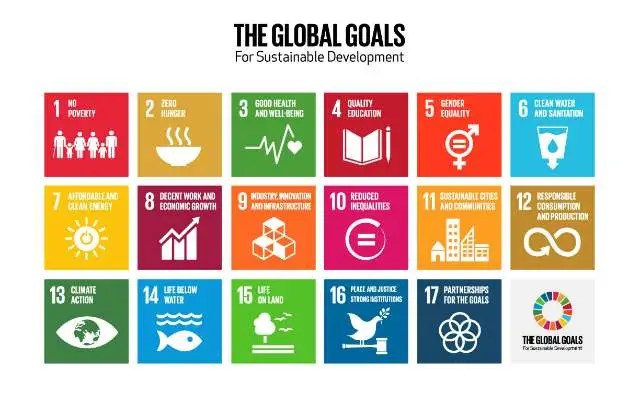
Today, I can sit here and truly be grateful for how far our family has come in just two generations. Luck might have had a role in it due to the role the developing textile industry played in the South post-WWII, but it was hard work and conditions I have never experienced that have shaped my worldview and the role I take on as storyteller to share with, and encourage you, to support the United Nations and their 17 Global Goals for Sustainable Development.
The United Nations wants to help rid the world of extreme poverty, provide infrastructure to those without and protect our environment for generations to come. Infrastructure is a priority for the United Nations and is one of these 17 goals which will be launched September 25-27th. It’s surreal to think about, yet today there are 2.6 billion people in the developing world who are facing difficulties in accessing electricity full time. Compound that with the 2.5 billion people who lack access to basic sanitation and the 800 million who lack access to water, and my Grandmother’s past is the present and future for many.
It turns out that advancing equal opportunity and economic empowerment is both morally right and good economics, because discrimination, poverty and ignorance restrict growth, while investments in education, infrastructure and scientific and technological research increase it, creating more good jobs and new wealth for all of us. ~~ Bill Clinton
We can be the first generation to end extreme poverty.
World Infrastructure Issues By The Numbers:
● 2.5 billion people worldwide lack access to basic sanitation and almost 800 million people lack access to water, many hundreds of millions of them in sub-Saharan Africa and South Asia.
● 1 to 1.5 million people do not have access to reliable phone service.
● For many African countries, particularly the lower-income countries, infrastructure constraints affect company productivity by around 40%.
● Manufacturing is an important employer, accounting for around 470 million jobs worldwide in 2009 – or around 16% of the world’s workforce of 2.9 billion. It is estimated that there were more than half a billion jobs in manufacturing in 2013.
● Industrialization’s job multiplication effect has a positive impact on society. Every one job in manufacturing creates 2.2 jobs in other sectors.
● In developing countries, barely 30% of agricultural production undergoes industrial processing. In high-income countries, 98% is processed. This suggests that there are great opportunities for developing countries in agribusiness.
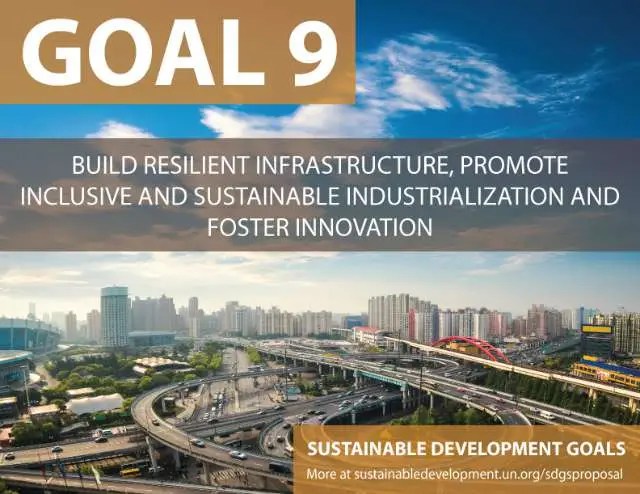
My Grandmother and her family were lifted out of poverty over the years by developments in infrastructure. Roads were built that allowed more access to rural Rutherford County, NC, industrialization came in the form of Cone Mills, as well as other textile factories. While the roads are still there, the textile factories are long gone. Innovation is starting to trickle in, as the county has been mired in high rates of unemployment over the past 20 years, in the form of tech industry titans, like Facebook, Google, and Apple building campuses in and around the area. Will it be enough? Only time will tell. But helping the United Nations focus on developing infrastructure will create a positive ripple effect around the world.

“Transforming our World: The 2030 Agenda for Sustainable Development”
.
The meeting of the General Assembly being held in New York will include the following infrastructure agenda:
- Develop quality, reliable, sustainable and resilient infrastructure, including regional and transborder infrastructure, to support economic development and human well-being, with a focus on affordable and equitable access for all
- Promote inclusive and sustainable industrialization and, by 2030, significantly raise industry’s share of employment and gross domestic product, in line with national circumstances, and double its share in least developed countries
- Increase the access of small-scale industrial and other enterprises, in particular in developing countries, to financial services, including affordable credit, and their integration into value chains and markets
- By 2030, upgrade infrastructure and retrofit industries to make them sustainable, with increased resource-use efficiency and greater adoption of clean and environmentally sound technologies and industrial processes, with all countries taking action in accordance with their respective capabilities
- Enhance scientific research, upgrade the technological capabilities of industrial sectors in all countries, in particular developing countries, including, by 2030, encouraging innovation and substantially increasing the number of research and development workers per 1 million people and public and private research and development spending
- Facilitate sustainable and resilient infrastructure development in developing countries through enhanced financial, technological and technical support to African countries, least developed countries, landlocked developing countries and small island developing States 18
- Support domestic technology development, research and innovation in developing countries, including by ensuring a conducive policy environment for, inter alia, industrial diversification and value addition to commodities
- Significantly increase access to information and communications technology and strive to provide universal and affordable access to the Internet in least developed countries by 2020
For more information:
- Watch the hashtags #GlobalGoods and #sustainabledevelopment
- Follow the United Nations and The Global Goals on Twitter @UN & @TheGlobalGoals
- Like Global Goals on Facebook
- Follow the Global Goals Instagramfeed
- Take a Global Goals selfie to spread awareness. Use the hashtags #GlobalGoals and #sustainabledevelopment so we can follow along
- Watch the video below to learn how you can get involved
This was not a sponsored post.
